


What Causes Cat Allergies in Humans?
Cat allergies affect roughly 10-20% of the global population, making them one of the most common pet-related allergic reactions. Contrary to popular belief, it is not cat fur itself that triggers allergies — it is a protein called Fel d 1, produced in cat saliva, skin glands, and urine. When cats groom themselves, this protein coats their fur and skin, then becomes airborne as microscopic dander particles.
These allergen particles are incredibly small — often under 2.5 microns — and remain suspended in the air for hours. They settle on furniture, clothing, bedding, and carpets, creating a persistent allergen load in your home even when your cat is in another room.
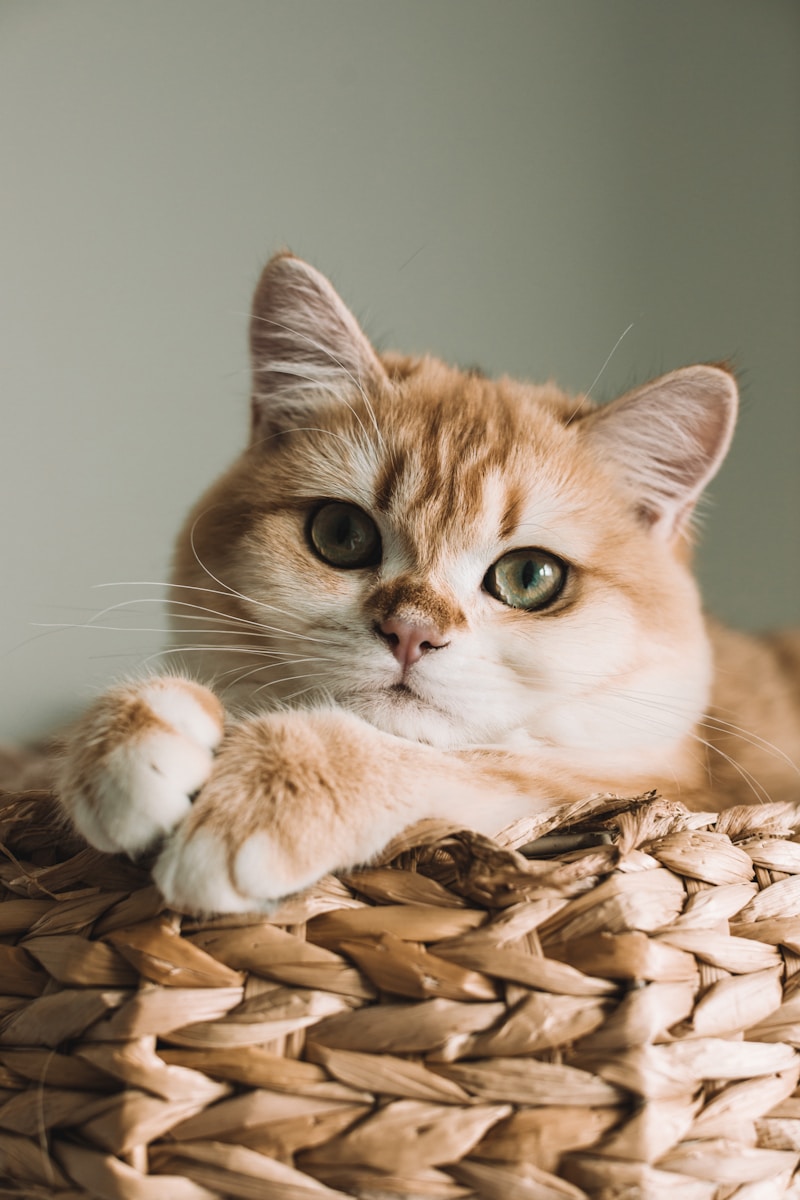
Common Symptoms of Cat Allergies
Cat allergy symptoms range from mild to severe and typically include:
- Sneezing and runny nose — triggered within minutes of exposure
- Itchy, watery eyes — one of the most common complaints
- Nasal congestion — chronic stuffiness that worsens indoors
- Skin rashes or hives — from direct contact with cat dander
- Coughing and wheezing — particularly dangerous for asthma sufferers
- Chest tightness — in severe cases, exposure can trigger asthma attacks
For many cat owners, these symptoms create an impossible choice: give up your beloved pet or live with constant discomfort. Fortunately, there is a third option.
How HEPA Air Purifiers Reduce Cat Allergens
A True HEPA air purifier captures 99.97% of airborne particles as small as 0.3 microns — well below the size of most cat dander. By continuously cycling room air through a dense filter matrix, HEPA purifiers physically remove Fel d 1 proteins from the air you breathe.
Key factors that determine effectiveness:
- CADR (Clean Air Delivery Rate): Higher CADR means faster air cycling. For a typical living room, look for 200+ CFM.
- Coverage area: Match the purifier to your room size. Undersized units leave allergen pockets.
- Pre-filter stage: A dedicated pre-filter captures larger particles like fur and dust, extending HEPA filter life.
- Activated carbon layer: Neutralizes pet odors that HEPA alone cannot address.
Why Standard Air Purifiers Fall Short for Pet Homes
Most air purifiers are designed for general indoor air quality — dust, pollen, and smoke. Pet homes present unique challenges:
- Higher particle load: Cats generate a continuous stream of dander, fur, and tracked litter dust
- Floor-level concentration: Cat allergens concentrate near the floor where cats spend most time
- Rapid filter saturation: Pet hair clogs standard pre-filters within weeks, reducing airflow
This is why Wisesky engineered the W-Cat air purifier specifically for cat households. Its 5-layer WiseHEPA filtration system includes a dedicated pet pre-filter designed for high-shedding environments, and the 360-degree air intake captures allergens from all directions — including floor level.
Clinical Evidence: Do Air Purifiers Really Help Cat Allergies?
Research published in the Journal of Allergy and Clinical Immunology found that HEPA air purifiers significantly reduced airborne Fel d 1 concentrations in homes with cats. Study participants reported measurable improvements in nasal symptoms, sleep quality, and overall comfort.
Independent testing by SGS confirmed that the Wisesky W-Cat removes 95.3% of cat dander allergens from indoor air — a result verified under controlled laboratory conditions, not just manufacturer claims.
Practical Tips for Managing Cat Allergies at Home
- Run your air purifier 24/7 — allergens are produced continuously, so filtration should be continuous too
- Place the purifier in your bedroom — you spend 6-8 hours there; clean sleeping air makes the biggest quality-of-life difference
- Replace filters on schedule — a clogged HEPA filter is no better than no filter at all
- Wash bedding weekly in hot water to remove settled dander
- Create a cat-free zone if symptoms are severe — the bedroom is the most practical choice
- Brush your cat regularly — outdoor grooming reduces the dander that becomes airborne indoors
- Vacuum with a HEPA-equipped vacuum to prevent re-dispersing allergens into the air
Living with Cats and Allergies: It Is Possible
You do not have to choose between your health and your cat. With proper allergen management — anchored by a high-performance HEPA air purifier designed for pet homes — millions of allergic cat owners live comfortably with their feline companions every day.
The Wisesky W-Cat was built for exactly this purpose: SGS-certified allergen removal, pet-safe construction, and whisper-quiet operation so you can breathe easy without disrupting your home or your cat's routine.
Related reading:
- Spring Shedding Season: How Often Should You Clean Your Air Purifier Filter?
- Real Story: How One Cat Mom Found Relief with Clean Air
🐱 Ready to Give Your Cat Cleaner Air?
W-Cat removes 99.97% of pet dander, fur & odors with 360° HEPA filtration — trusted by 82+ cat families.
