


It’s Not Just You—Your Cat Can Suffer from Allergies Too
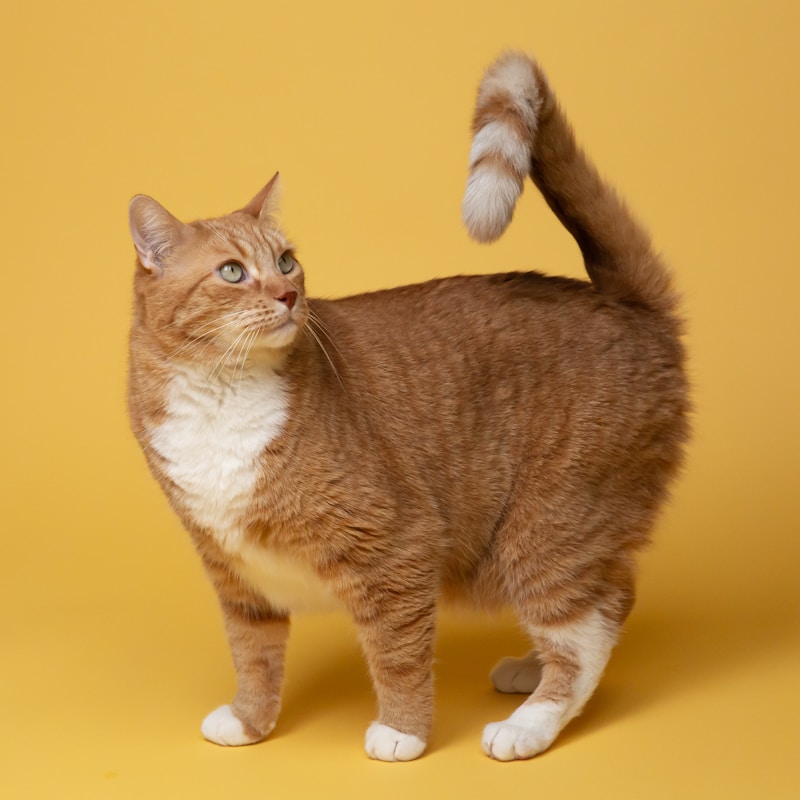
When we think of pet allergies, we usually imagine humans sneezing around cats. But cats themselves can be allergic to things in their environment—and indoor air quality is a major factor.
Unlike humans, cats can’t tell us when their eyes are itchy or their throat feels scratchy. Instead, they show signs that are easy to miss if you don’t know what to look for.
If your cat has been acting a little off, here are a few common allergy symptoms to watch for.
Common Signs of Environmental Allergies in Cats
1. Watery or Red Eyes
Occasional eye discharge is normal, but if your cat’s eyes look watery, red, or irritated on a regular basis, allergies could be the cause. You might also notice squinting or pawing at the face.
2. Sneezing and Coughing
Occasional sneezes are fine, but persistent sneezing—especially in cycles—often points to airborne irritants. A dry cough or wheezing can be a sign of feline asthma, which is frequently triggered by allergens.
3. Over-Grooming or Hair Loss
Cats groom themselves constantly, but excessive licking, biting, or scratching—particularly on the belly, legs, or tail—can indicate itchy skin from allergies. This can lead to bald spots or skin infections.
4. Ear Infections or Head Shaking
Recurrent ear infections or frequent head shaking may be linked to allergies. Check for redness, discharge, or a waxy buildup inside the ears.
5. Snoring or Noisy Breathing
If your cat suddenly starts snoring or making unusual breathing sounds, it could be due to inflammation in the nasal passages caused by airborne allergens.
What Are Cats Allergic to in the Home?
The most common indoor allergens for cats include:
- Dust mites
- Pollen (which enters through open windows or on clothes
- Mold spores
- Cat dander (yes, cats can be allergic to their own dander in high concentrations)
- Household fragrances from candles, diffusers, or cleaning products
When these particles build up in the air, they can trigger chronic low-level reactions that wear down your cat’s comfort over time.
What You Can Do to Reduce Allergens
If you suspect your cat is reacting to airborne allergens, here are a few steps to try:
1. Run a pet-specific air purifier like W-Cat consistently – A HEPA-based purifier with a carbon pre-filter can capture both particulate allergens and some chemical irritants.
2. Vacuum and dust frequently – Use a vacuum with a HEPA filter to avoid kicking allergens back into the air.
3. Avoid strong fragrances – Swap scented candles or plug-in air fresheners for fragrance-free alternatives.
4. Wash bedding regularly – Both your cat’s bedding and your own can harbor dust mites and dander.
When to See a Vet
If your cat shows severe or persistent symptoms - especially difficulty breathing, open-mouth breathing, or complete loss of appetite - seek veterinary care immediately. Allergies can sometimes be managed with medication, and a vet can help rule out other conditions.
A Note From Our Customers
We’ve heard from many cat owners who noticed a difference in their cat’s allergy-like symptoms after improving indoor air quality. One customer shared:
“Nadia always had running eyes, but since the purifier arrived her eyes have drastically improved!”
Another wrote:
“Nina has seasonal asthma, and since setting up the purifier she’s had zero attacks.”
If your cat is showing signs of allergies, cleaner air might help—and it’s a simple change to try.
Check Current Offers
We occasionally run promotions on pet-focused air purifiers. Visit our website to see if any special offers are available today.
Have You Noticed a Change in Your Cat?
We’d love to hear your experience. Leave a comment below and help other cat owners recognize the signs.
Related reading:
- Cat Allergies in Humans: Causes, Symptoms & How Air Purifiers Help
- 7 Simple Ways to Improve Indoor Air Quality at Home
🐱 Ready to Give Your Cat Cleaner Air?
W-Cat removes 99.97% of pet dander, fur & odors with 360° HEPA filtration — trusted by 82+ cat families.
