


If you've been sneezing more than usual this spring, you're not alone — and neither is your cat. Spring 2026 is shaping up to be one of the toughest allergy seasons in recent memory, with tree pollen counts surging across the United States, particularly in the Pacific Northwest and Midwest. AccuWeather forecasts show pollen peaks hitting hard through May, which means millions of allergy sufferers are reaching for tissues and antihistamines.

But here's something many cat owners don't realize: your cat might be suffering from allergies too. And to make things even more confusing, some of those symptoms you're blaming on spring pollen might actually be triggered by your cat — not the trees outside.
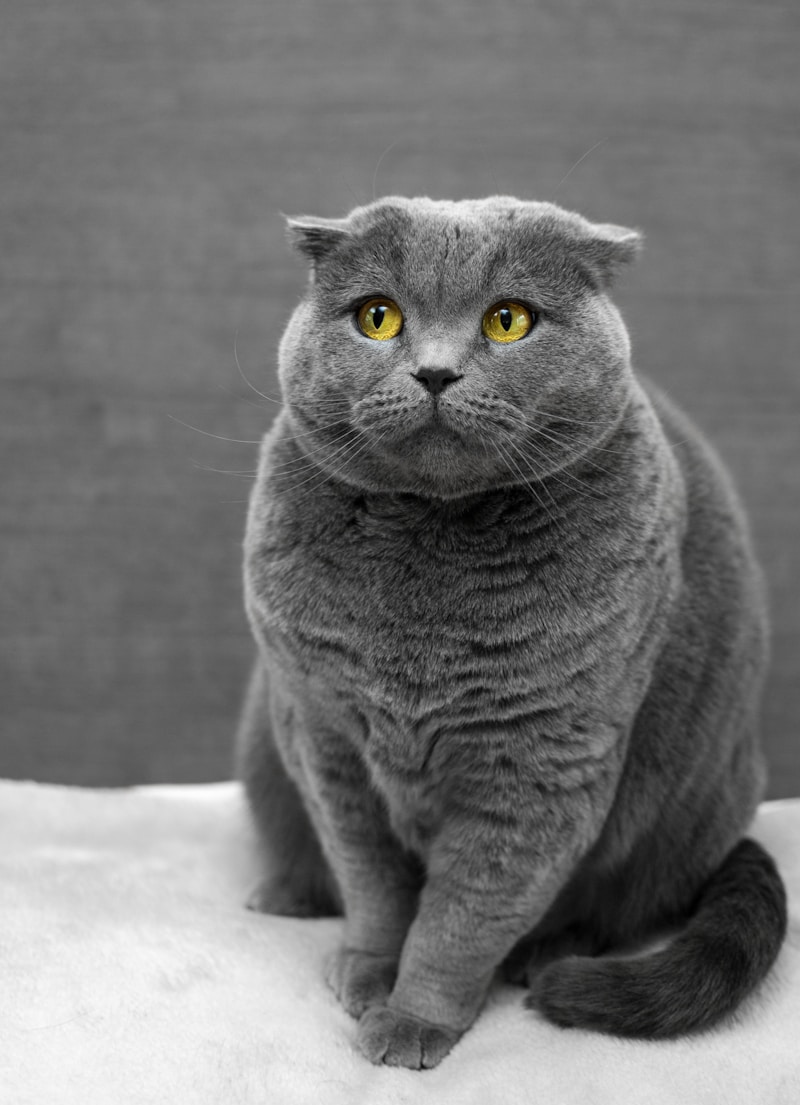
Let's untangle this. We'll walk through how to tell whether it's seasonal allergies, cat-related allergies, or both — and what you can do to breathe easier at home.
Why Spring 2026 Is Hitting Harder Than Usual
Spring allergy season typically runs from March through June, but the peak months are April and May, when tree pollen — from oak, birch, cedar, and maple — reaches its highest concentrations. This year, warmer-than-average winter temperatures across much of the country caused trees to pollinate earlier and more aggressively than usual.
What does this mean for indoor air? Even if you keep your windows closed, pollen finds its way inside — on clothing, shoes, pet fur, and through door gaps. Once indoors, those microscopic particles settle on furniture, bedding, and carpets, where they can linger for weeks.
For households with cats, this creates a double-layered problem: outdoor allergens mixing with indoor allergens like cat dander, creating an environment where it's genuinely difficult to pinpoint what's making you miserable.
Common Human Allergy Symptoms: Pollen vs. Cat Allergies
Here's where it gets tricky. Seasonal pollen allergies and cat allergies share many of the same symptoms:
- Sneezing and runny nose
- Itchy, watery eyes
- Nasal congestion
- Scratchy throat
- Fatigue
So how do you tell them apart?
Signs It's Likely Pollen
- Symptoms worsen when you go outside or on high-pollen days
- Symptoms improve when you stay indoors with windows closed
- You notice a seasonal pattern (symptoms appear in spring and fade by summer)
- Checking your local pollen count shows elevated levels on your worst days
Signs It Might Be Your Cat
- Symptoms persist year-round, not just in spring
- You feel worse after cuddling your cat or sitting where they sleep
- Symptoms improve significantly when you're away from home for a few days
- Your eyes itch more than your nose runs
The culprit behind cat allergies isn't actually fur — it's a protein called Fel d 1, produced in a cat's skin, saliva, and urine. When your cat grooms, Fel d 1 coats their fur and becomes airborne as microscopic particles. These particles are incredibly small (about 1/10th the size of dust mite allergens) and can stay suspended in the air for hours. That's why you can walk into a room where a cat has been and start sneezing — even if the cat is no longer there.
For a deeper walkthrough of how cat dander affects daily life, see our guide on the impact of cat dander, fur, and odors on human health.
Wait — Can Cats Have Allergies Too?
Absolutely. Cats can develop seasonal allergies just like humans, and spring is a common trigger. While cats can't tell you they're uncomfortable, there are clear signs to watch for:
Signs Your Cat May Have Allergies
- Excessive scratching or grooming: If your cat is licking or scratching more than usual — especially around their face, ears, or paws — allergies could be the cause.
- Red, watery eyes: Just like you, cats get itchy, irritated eyes from airborne allergens.
- Sneezing: The occasional sneeze is normal, but frequent sneezing fits suggest irritation.
- Skin irritation: Look for redness, bumps, or patches of missing fur, particularly around the head and neck.
- Ear infections: Chronic ear inflammation can be linked to environmental allergies.
- Respiratory changes: Wheezing, coughing, or labored breathing — while less common — can indicate a more serious allergic response.
If your cat is showing multiple signs, it's worth a vet visit. Our guide on recognizing allergy signs in cats covers what to look for and when to be concerned. And if you're seeing breathing irregularities specifically, the deeper read is Does Your Cat Have Asthma? 5 Signs Every Owner Should Know.
The Overlap Problem: When Both You and Your Cat Are Allergic
Here's a scenario that's more common than you'd think: you're allergic to pollen blowing in from outside, and your cat is allergic to dust mites that live in your carpets. Meanwhile, your cat's Fel d 1 is making your symptoms worse, and the pollen on your clothes is making your cat's symptoms worse.
It's a feedback loop — and breaking it requires addressing indoor air quality as a whole, not just targeting one allergen.
Quick Diagnostic Checklist
Ask yourself these questions to start narrowing things down:
- When did symptoms start? If they began or worsened in March-May, pollen is likely a factor.
- Do symptoms improve away from home? If yes, indoor allergens (including your cat) are probably contributing.
- Is your cat also symptomatic? If both you and your cat are struggling, your home environment likely needs attention.
- Do symptoms persist after pollen season ends? If they continue into summer and fall, cat allergens are likely a primary trigger.
What You Can Do Right Now
Regardless of whether pollen, your cat, or both are behind your symptoms, these steps will help reduce allergen levels in your home:
1. Keep Pollen Outside
Remove shoes at the door. Change clothes after spending time outdoors. Wipe down your cat with a damp cloth if they've been near open windows or on a screened patio.
2. Stay on Top of Grooming
Regular brushing reduces loose fur and the dander attached to it. During peak shedding and allergy season, daily brushing makes a noticeable difference. Our spring shedding and filter schedule guide has a practical routine you can follow.
3. Wash Bedding Frequently
Both yours and your cat's. Allergens accumulate in fabric, and weekly washing in hot water removes a significant amount of pollen, dander, and dust mites.
4. Purify Your Indoor Air
This is the single most effective step for reducing airborne allergens — both pollen that's drifted inside and Fel d 1 particles from your cat. A true HEPA air purifier captures 99.97% of particles down to 0.3 microns, which includes both pollen grains and the ultrafine cat allergen particles that cause the most trouble.
The key is running the purifier consistently in the rooms where you and your cat spend the most time — not just turning it on when symptoms flare up. For households with multiple shared living spaces, one unit per main room (bedroom + living room is the common starting point) is what makes the difference between "a little better" and "actually sleeping through the night."
5. Monitor and Adapt
Track pollen counts in your area (weather apps and sites like pollen.com make this easy). On high-pollen days, keep windows closed and run your air purifier on a higher setting. If your cat's symptoms seem to worsen on specific days, note the conditions — it helps your vet narrow down triggers.
The Bottom Line
Spring allergy season doesn't have to be a guessing game. By understanding the difference between pollen and cat-related symptoms — and recognizing that your cat can be an allergy sufferer too — you can take targeted steps to make your home more comfortable for everyone.
The most impactful change? Cleaning the air you both breathe. It addresses pollen, dander, Fel d 1, and dust all at once — and it works around the clock, even while you sleep. If you'd like a structured one-week protocol that stacks every move in this list in the right order, our Spring Allergy + Cat Dander 7-Day Reset Plan walks through it day by day.
